
Your Essential Guide to Public Truck Scales and Certified Weight Tickets
Whether you're a service member preparing for a military move, a business owner managing a fleet, or even just handling a large DIY project, you might encounter a requirement that seems a bit obscure: getting a certified weight ticket. Understanding the why and how behind using a public truck scale is crucial for ensuring regulatory compliance, accurate billing, and a smooth logistical process. It’s a step that can save you from significant headaches, from rejected military paperwork to costly DOT fines. Here in Southern Maryland, navigating these requirements is a common part of moving and logistics. This guide will break down everything you need to know about public truck scales, why they’re so important, and how to get the certified weigh-in you need without any hassle.
What is a Certified Public Truck Scale?
A certified public truck scale is a large, industrial-grade scale used for weighing entire vehicles, from rental trucks to full-sized tractor-trailers. The “certified” part is key—it means the scale has been regularly tested, calibrated, and verified for accuracy by a state-approved authority. This certification guarantees that the weight reading is legally valid and can be used for official purposes.
Why is this certification so important?
- Regulatory Compliance: The Department of Transportation (DOT) has strict regulations regarding vehicle weight to ensure road safety and prevent damage to infrastructure. A certified weight ticket is proof that your vehicle is compliant.
- Financial Accuracy: For commercial shipping, freight costs are often calculated by weight. An accurate, certified weight ensures fair billing for both the shipper and the carrier. For military moves, it’s the basis for your reimbursement.
- Safety: Overloaded vehicles are a major safety hazard. They have longer stopping distances, are harder to control, and put immense strain on tires and brakes. A weigh-in confirms you’re operating within safe limits.
Essentially, a certified weight ticket from a public scale provides an indisputable record, protecting you from legal issues and financial disputes.
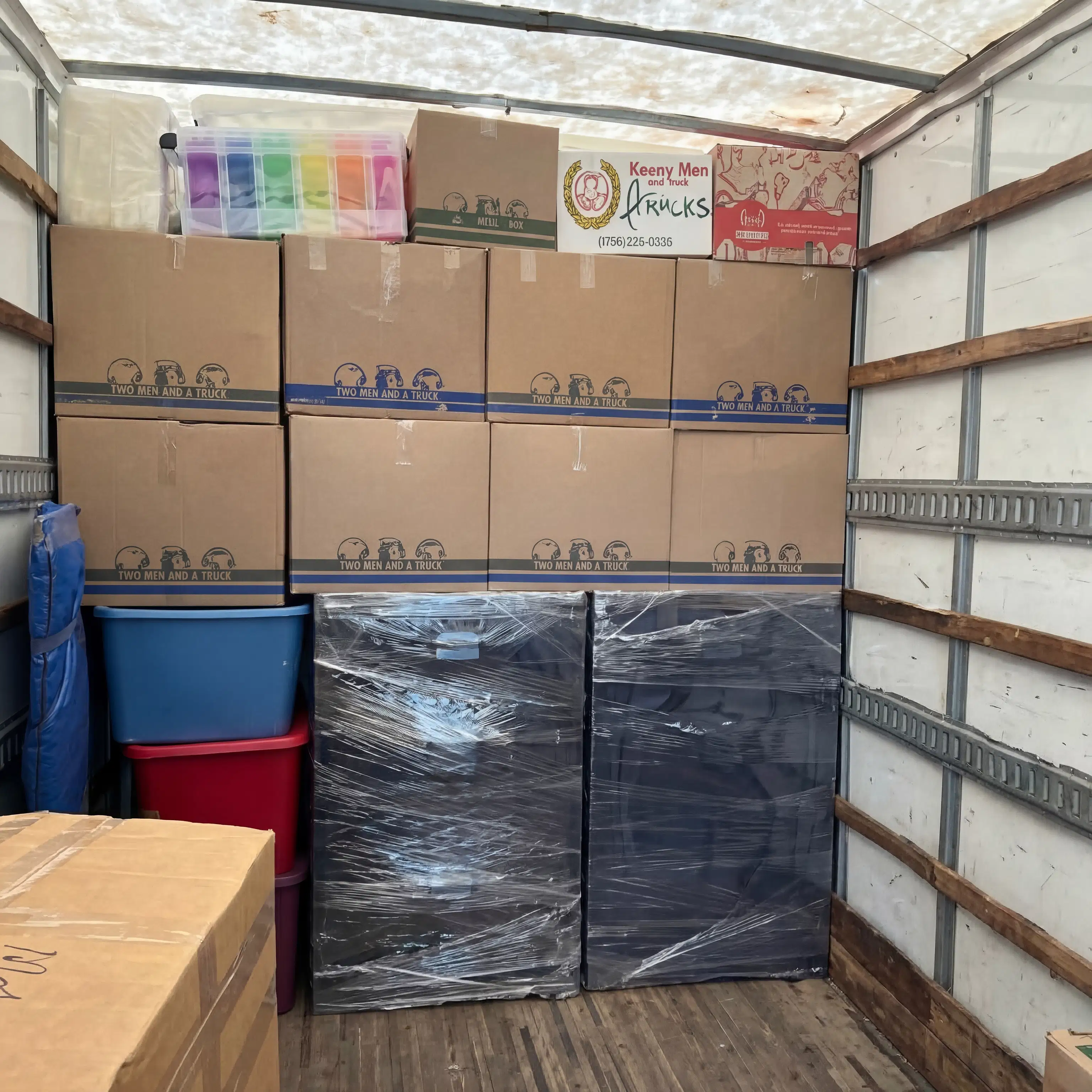
The Critical Role of Weight Tickets in Military Moves
For military personnel and their families, a certified weight ticket is an non-negotiable part of any Personally Procured Move (PPM), formerly known as a Do-It-Yourself (DITY) move. When you choose to manage your own move, the military reimburses you based on the total weight of your household goods. To get that reimbursement, you must provide certified weight tickets.
Here’s the process:
- Empty Weight: Before you load your belongings, you must weigh your empty moving truck or trailer. This provides the baseline weight.
- Full Weight: After you’ve loaded everything, you weigh the truck again.
- Calculation: The difference between the full and empty weights is the net weight of your household goods, which is what the military uses to calculate your allowance.
Failing to get these certified tickets can lead to significant delays or even denial of your reimbursement, turning a cost-saving move into a major financial burden. It’s a point of stress for many service members, but using a reliable, certified scale makes the process straightforward. At Quality Transfer and Storage, we have extensive experience supporting our local military community with the precise documentation needed for successful PPM and military moves.

Business Logistics and DOT Compliance
Beyond personal and military moves, public truck scales are a cornerstone of commercial logistics. Businesses that operate commercial vehicles must adhere to strict DOT weight regulations. Exceeding the gross vehicle weight rating (GVWR) or axle weight limits can result in hefty fines, mandatory unloading, and negative marks on a company's safety record.
Regular use of a certified scale is essential for:
- Fleet Management: Ensuring every truck leaving your facility is compliant before it hits the road.
- Shipping and Receiving: Verifying the weight of incoming and outgoing shipments to confirm bill of lading accuracy and manage inventory.
- Route Planning: Heavier loads may be restricted from certain roads or bridges. Knowing your exact weight helps in planning efficient and legal routes.
For companies that need more than just a one-time weigh-in, integrating this step into your daily operations is key. Our business logistics services are designed to help local companies streamline these processes, ensuring your operations are always efficient and compliant.
How to Prepare for Your Weigh-In
Getting a certified weight ticket is a simple process, but a little preparation can make it even smoother. Here’s what to do:
- Find a Certified Scale: Ensure the facility you choose offers a certified public scale. Not all truck scales are certified for official use.
- Know Your Requirements: Do you need both an empty and a full weight ticket (like for a military move)? Or just a gross weight for DOT compliance?
- Keep Fuel Levels Consistent: For the most accurate net weight on a PPM, try to have the same amount of fuel in the tank for both your empty and full weigh-ins. A full tank is usually recommended.
- Check In with the Operator: When you arrive, follow the signs and speak with the scale operator. They will guide you on where to position your vehicle on the scale and walk you through the process.
Our public truck scale is designed for easy access and is operated by professionals who can help you get the accurate, certified documentation you need quickly.
Ready for a Hassle-Free Weigh-In?
Whether you’re a service member starting a PPM, a business owner managing logistics, or a resident tackling a big project, don’t leave your weight to chance. An official, certified weight ticket is your assurance of compliance, safety, and accuracy. If you need a certified public truck scale in the Lexington Park area, Quality Transfer and Storage is here to help. Contact us today to learn more about our truck scale, military moving support, and comprehensive business logistics services.